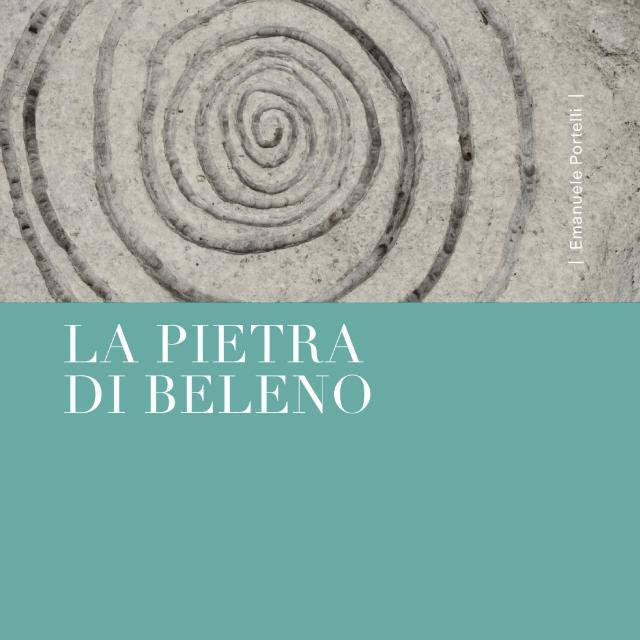
The Beleno Stone
Few know that Richard the Lionheart, returning from the Crusades in the Holy Land, passed through Friuli. This passage represents a genuine historical hole. Any record of his presence and exploits, from his shipwreck near the waters of Aquileia to the time of his capture in the vicinity of Vienna, is missing. Duke Leopold of Austria, after being humiliated in Acre by Richard himself, who was firmly determined to take revenge, had given orders to patrol the territory and the coast while awaiting the arrival of King Plantagenet from the Holy Land. Friuli was then ruled by the Germanic Patriarch Gotifredo, although the real temporal power was exercised by the counts of Gorizia, who were loyal to the emperor. Yet despite close surveillance, Richard managed to pass unnoticed and escape. Following the English ruler were some monks and Knights Templar. Just outside the lands of Aquileia, there was the powerful women’s monastery of St. Mary of Aquileia, which had strong ties to the Templar commandery of St. Nicholas of Levata.
Who helped him? From whom did he receive protection? The author, through a deep and passionate study of the Friulian reality of that time, recounts the intertwining of power between king, emperor, patriarch, counts, abbesses, a Templar master, a secret codex coming from the Holy Land, and a mysterious stone evoking ancestral wisdom. The magic and love that the Friulian land I’m coming! guard give life to a compelling and surprising story that enraptures the reader into the intricate labyrinth of human affairs which, now as then, can only find meaning in something greater.
Listen to the interview edited by Leonardo Betelemme in which the author tells what links Richard the Lionheart’s life to the land of Friuli, the sources and historical premises, the places retraced as well as the messages and lessons we can learn from reading his book.